
Arrest History in Rio Grande County
The Rio Grande County Sheriff's Office makes arrests in its jurisdiction and operates the county detention channel. Monte Vista Police, Del Norte police services, South Fork Police, Colorado State Patrol, and other authorized agencies can also make arrests. The agency that created the incident or arrest report remains the right custodian for its narrative, even when booking occurred at the county jail.
An arrest history is a sequence of enforcement and booking events, not a list of convictions. A booking can show the accusation presented at intake, bond, and custody status. Prosecutors may decline a case, change counts, or file different charges, and a court may dismiss a charge or enter an acquittal. The final court disposition must be checked separately.
Start With the Cherry Street Custodian
Rio Grande County Sheriff and Jail
640 Cherry Street
Del Norte, CO 81132
719-657-4000
Fax: 719-657-2108
Weekdays, 8:00 a.m. to 4:00 p.m.
The county does not advertise a large standalone records bureau or a GovQA-style request portal in the official pages reviewed. Contact the Sheriff's Office, ask for the records custodian, and describe the exact product wanted: incident report, arrest report, booking sheet, jail-log entry, dispatch or CAD record, 911 audio, photograph, or body-camera recording.
Give the report or case number when known. Otherwise provide date and approximate time, location, involved person's name, and arresting deputy if known. Ask about inspection, electronic delivery, current fees, accepted payment, and expected completion. No reliable local report-copy fee schedule was published, so a price should be confirmed rather than assumed.
How to Look Up Rio Grande County Arrests
A channel-complete search separates present custody, the underlying agency narrative, filed charges, and statewide history. Use identifiers consistently so records from different custodians can be matched.
- Contact the Sheriff or jail at 719-657-4000 for a recent county booking or current custody question. Ask whether a current roster or vendor lookup is available.
- Request the arrest or incident report from the arresting agency. For a sheriff event, ask the Cherry Street records custodian; for a town-police event, use that department's records channel.
- Search the Colorado Judicial docket for a known appearance date, then ask Rio Grande Combined Court for the filed charges and outcome.
- Use the Colorado Bureau of Investigation's Internet Criminal History Check for a Colorado name-based repository history, reviewing candidate matches carefully.
- When public online tools come up empty, submit a narrow written request under the Colorado Criminal Justice Records Act through the contact method the custodian confirms.
The official city guides explain local routing for Monte Vista, Del Norte, and South Fork. A town report does not automatically become a Sheriff's Office report merely because the person entered the county jail.
A Useful Request Names the Exact Product
| Request detail | Why it matters |
|---|---|
| Report, incident, or booking number | Provides the fastest match when available |
| Date, time range, and location | Narrows an event without a number |
| Involved names and arresting agency | Separates similar events and custodians |
| Record type and format | Distinguishes a narrative, booking sheet, audio, video, photo, CAD entry, or certified copy |
| Delivery preference and fee limit | Allows clarification before costs accrue |
Colorado criminal-justice records are principally governed by the CCJRA. The custodian may review victim information, juvenile material, medical facts, confidential identifiers, investigative sensitivity, and fair-trial concerns before release. A denial or redaction should identify its legal basis. Inspection may differ in cost from copies, and research or media work may affect the estimate.
What a Rio Grande County Arrest Record Shows
A booking record documents intake into custody. Its fields help distinguish an event and follow custody, but do not establish guilt. Availability of particular fields or media remains subject to the custodian's access review.
| Booking Number | The jail's identifier for the intake event, useful when requesting the matching sheet. |
|---|---|
| Booking Date & Time | When jail intake was recorded, which may differ from the arrest time. |
| Arresting Agency | The Sheriff, town police, State Patrol, or another agency that delivered the person. |
| Charges | Allegations presented at intake, not necessarily the counts later filed in court. |
| Bond | The release security or court-set conditions recorded at that stage. |
| Mugshot Policy | A photograph may exist in the booking file, but public release is reviewed under Colorado criminal-records law; no public gallery was verified. |
| Release Status | Whether the person remains held or was released, transferred, or otherwise left local custody. |
How a Booking Reaches Colorado's Repository
At intake, jail staff record identity, alleged charges, custody status, a photograph, and fingerprints. Fingerprints submitted to the Colorado Bureau of Investigation can create or update a statewide arrest cycle and help distinguish people with similar names. The prosecutor later decides what to file, and Rio Grande Combined Court creates the judicial case file.
When the court enters a disposition or sentence, that information should be reported back to CBI and linked to the arrest cycle. The local booking, court case, and state history can temporarily disagree because reports arrive at different times or a disposition has not yet matched. Check the court file when an ICHC record lacks an outcome, then use CBI's review and correction process for an incomplete state entry.
The official ICHC coverage guide explains exclusions and limitations.
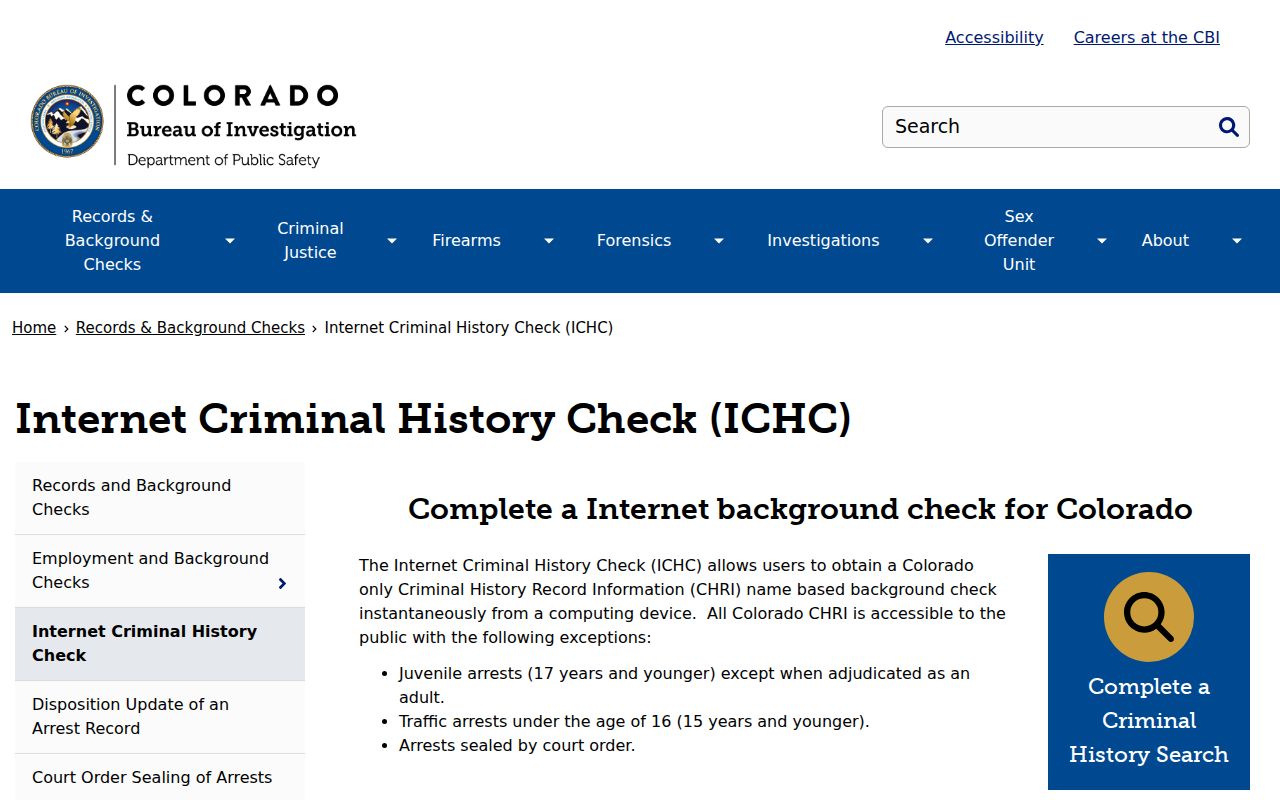
The guide should be read before purchasing a candidate result because name matching alone does not prove identity.
Recent Arrests and Booking Logs
No clearly indexed public Rio Grande County booking-log interface was verified during research. That absence does not mean booking information is unavailable. Use the Sheriff's official page or telephone the jail to ask whether its current jail link opens a vendor roster and whether the requested event is available through the records custodian.
A current roster, when offered, generally answers present or recent custody questions rather than lifetime arrest history. Entries can disappear after release or transfer. A missing person therefore does not prove no arrest occurred. For past bookings, ask for the specific booking sheet or jail-log entry and match it to a court case if charges were filed.
Note: Rio Grande County arrest records should never be inferred solely from absence in a current-custody list.
Custody Alerts Are Not Historical Searches
VINElink is a contracted custody-notification network that can be checked for Colorado availability. Its purpose is custody status and notifications, not a complete archive of every Rio Grande County arrest. Select the correct state and verify the person carefully before relying on an alert.
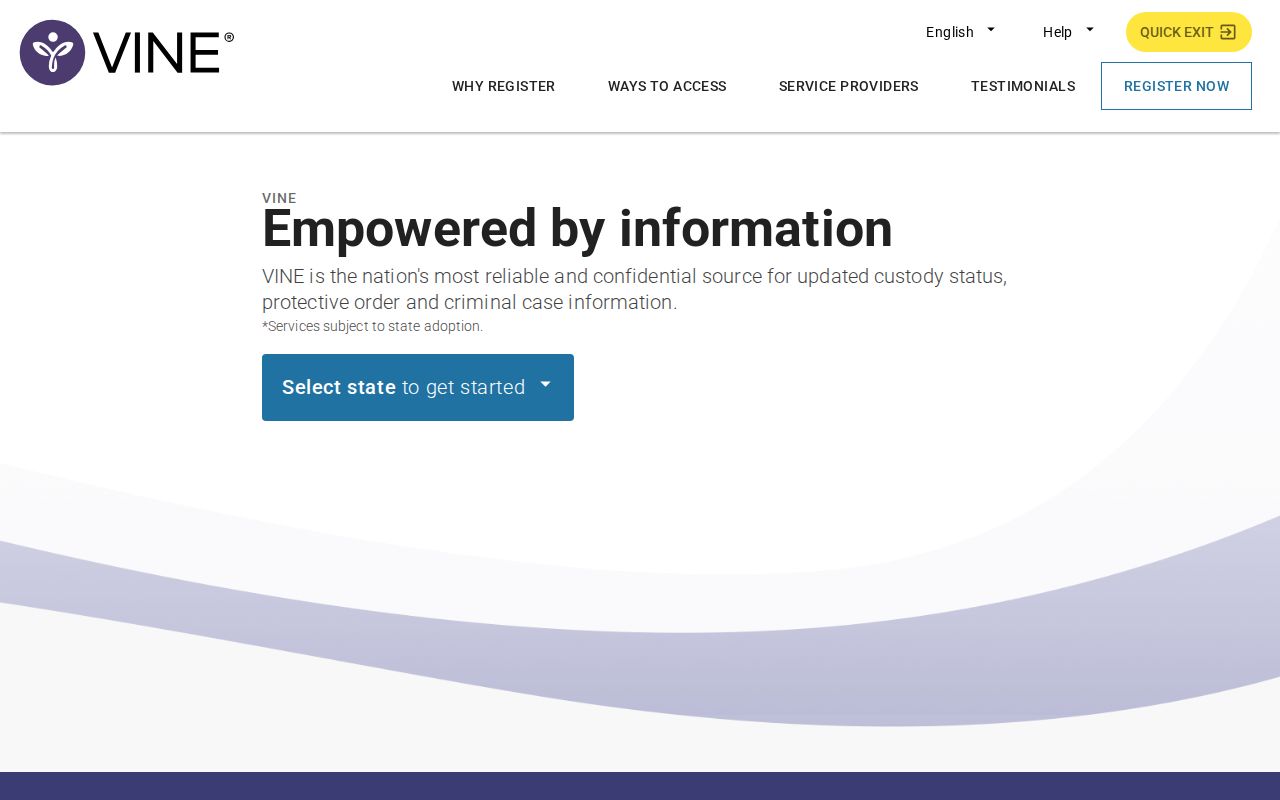
The interface supplements direct contact with the jail; it does not replace the Sheriff's booking file, an arresting agency's narrative, or the court disposition.
The Arresting Agency Keeps Its Own Narrative
For a Sheriff event, request the narrative from the Rio Grande County Sheriff's Office. For Monte Vista, Del Norte, or South Fork police activity, contact the town agency or clerk route documented by that government. Colorado State Patrol keeps its own reports. A county booking sheet will not necessarily include witness accounts, evidence descriptions, dispatch details, or body-camera material held by the arresting department.
Ask the custodian whether a record can be inspected, emailed, mailed, or certified. Active investigations, victim and juvenile information, confidential identifiers, and fair-trial interests can lead to withholding or redaction. A focused request usually works better than a demand for every document associated with a broad name.
Arrests vs Convictions
These records are created at different stages and prove different things. Matching them prevents the booking allegation from being mistaken for the final court outcome.
| Arrest Record | Conviction Record |
|---|---|
| Created by the arresting agency and jail | Created by the court after judgment |
| Shows that an arrest or booking occurred | Shows a finding or plea of guilt |
| Lives with the agency, jail, and potentially CBI | Lives in the clerk's file and reported repository history |
| May end in release, no filed case, dismissal, or acquittal | May lead to sentence, appeal, or qualifying sealing |
Note: An arrest is not proof of guilt; many bookings never produce a conviction and must be checked against the court disposition.